

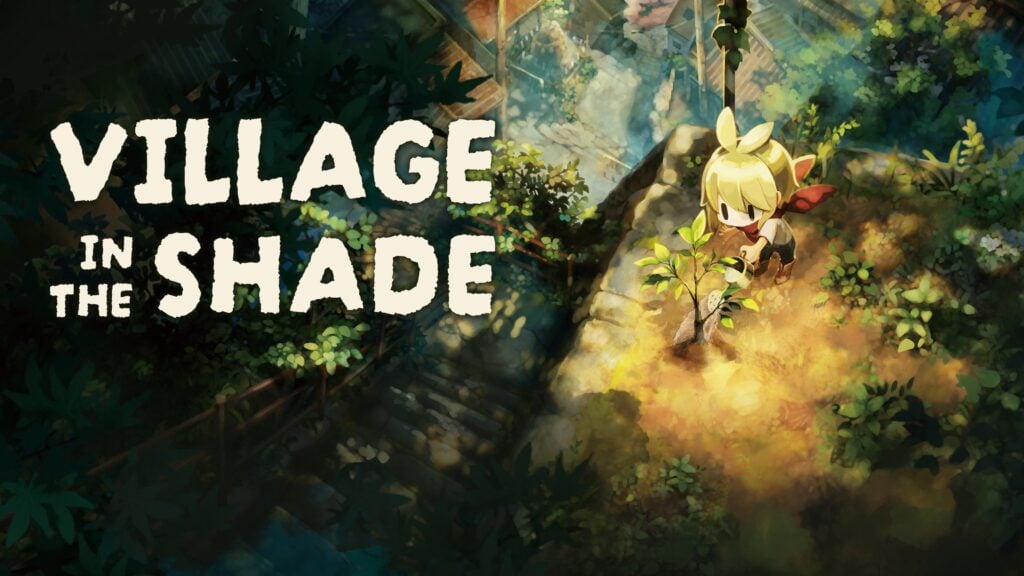
Village in the Shade is, on the surface, a classic farming sim, at least during the day. Underneath its charming exterior are Yokai, strict rules, and a dark underbelly that changes the experience entirely. It blends horror and everyday farming life so well that, without the darkness, the game would fall a bit flat.
Village in the Shade follows a child who leaves home to chase a chicken. They soon fall through a hole in the ground and find themselves in another time. The game features a very basic character creator where players can change their character’s hair, face, hair color, and clothes. It’s simple, but it gets the job done.
Players soon return to the farm where they started, only to find that it has become derelict over the years. After meeting some of the villagers, including Rin Komako, the child reveals that they have amnesia and have no idea how they ended up in the village. This poor child is left alone in a strange place, forced to farm simply to survive.
Rin, the village leader, and her family have been watching over the farmland for an uncertain number of years. She is willing to give the land to the child, but there is a price to pay. That price revolves around a series of ancestral rules that guide the villagers and their way of life.
The rules are as follows:
- Rule One: Do not go outside after 11:00 PM.
- Rule Two: Cooperate for the good of the village.
- Rule Three: Do not approach strangers.
- Rule Four: Do not expose another person’s secrets.
- Rule Five: Do not leave the village.
- Rule Six: Do not answer voices from the mountain.
- Rule Seven: Do not search for what was lost.
- Rule Eight: A wish requires an appropriate price.
These rules adjust and change as the player progresses, allowing them to do more as the game goes on. At the beginning, they remain fairly simple so players can get used to them. It’s a smart choice to keep things straightforward initially, as things ramp up quickly over the course of the first year.
The child learns how to farm from Kisuke, who believes that even an outsider needs to learn. He tells the child not to say a word about his breaking of Rule Three, since the child is still considered a stranger at this point. He also goes out of his way to give the child and the player a proper tutorial, handing over all the tools necessary to get started, including seeds, a hoe, and a watering can.
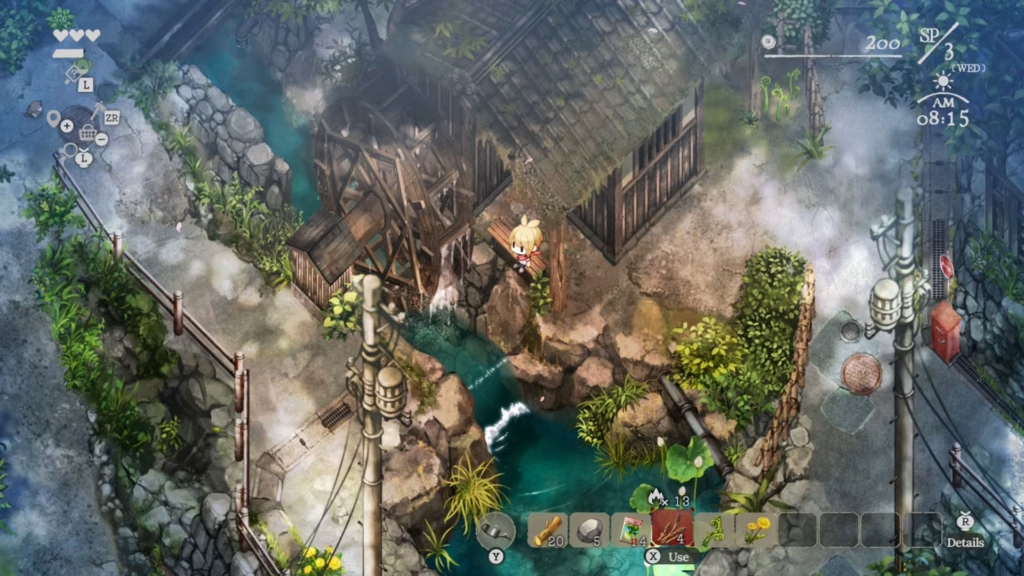
This first interaction feels a little awkward, but it also feels genuine. Kisuke is tough but fair, and his behavior highlights that, even though the other villagers aren’t particularly talkative at first, most of them have good hearts. It’s a small village that protects itself but still wants everyone who lives there to be happy.
At the beginning of the game, the player cannot have meaningful conversations with the different characters. The third rule makes sure of this, as it prevents villagers from talking to strangers. After performing a ritual, the child is allowed to remain in town, and the villagers finally start talking to them.
This is where the game first begins to open up. Players can take on quests from the villagers and get to know them better. Every week, they can use what they’ve grown or collected to complete tasks that help build relationships with the different characters. Getting to know the villagers is important, as they will eventually provide new things for the child to use, including tools.
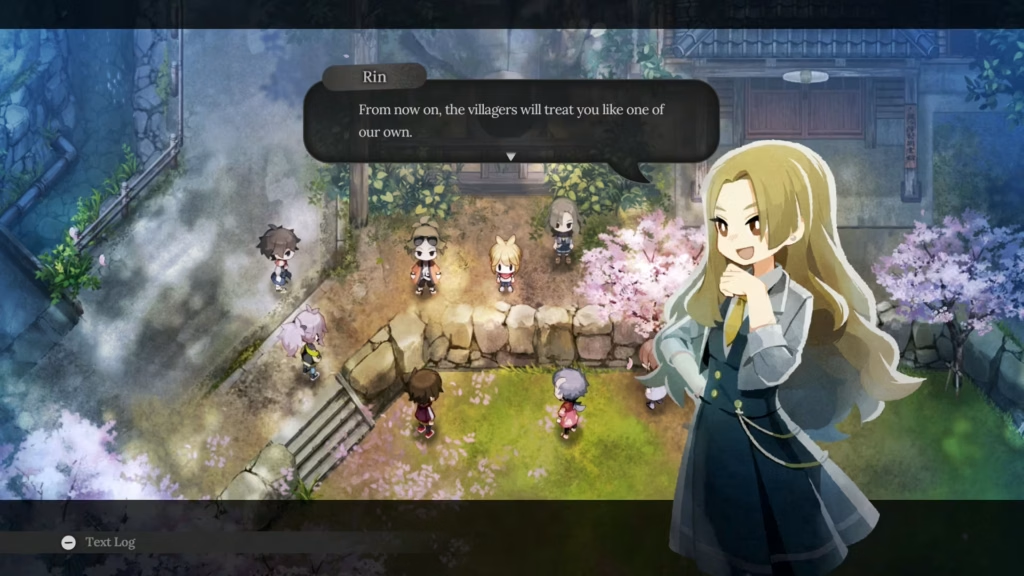
The game shows players what the other characters like, and it’s fun finding or crafting those things for them. Players might need to hunt, forage, or mine to find the right items, but it’s all worth it. The game has a heart system but no romance, as the main character is literally a child. This makes sense, as the villagers can grow close to the child, but there really is no need for romance in every game.
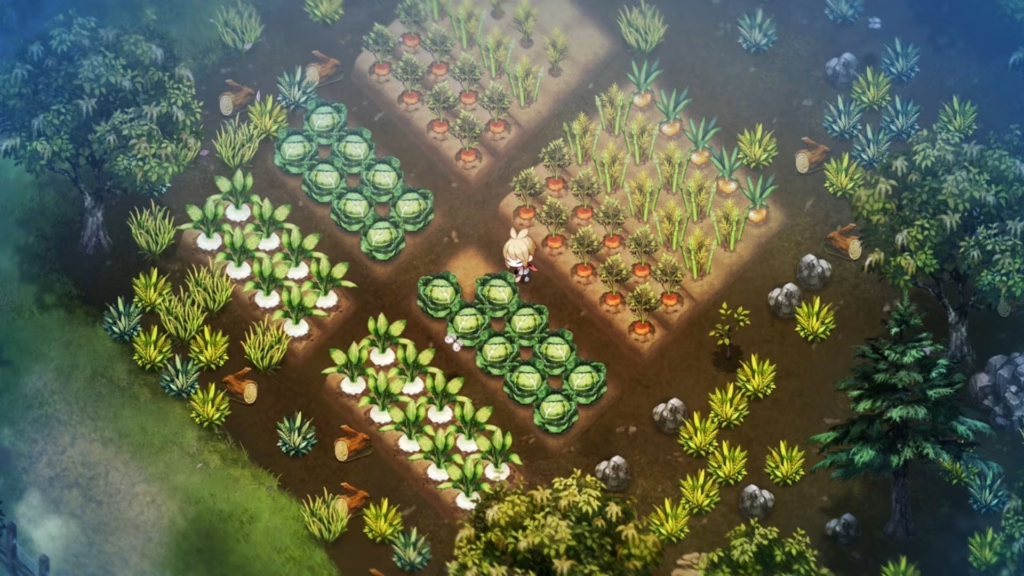
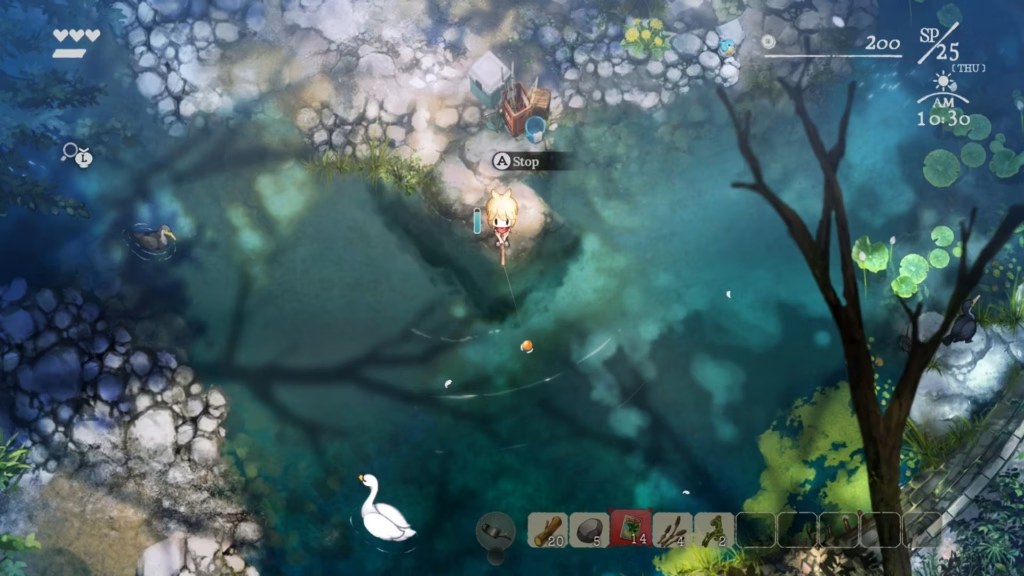
The child has free rein to do as they please as the game moves forward. They can start by farming crops and foraging in the woods, but soon enough, they’ll be able to fish and mine as well. It’s important to figure out the best ways to make money, as there are quite a few expensive things that players will eventually need to buy.
Players will also eventually be able to cook for themselves, which is helpful because it cuts back on spending. While there is a restaurant in town, eating there costs a decent amount of money. Cooking at home saves those expenses and, when used properly, ensures the player has enough energy to keep farming, fishing, and mining.
As players complete tasks and get used to the rules, the rules begin to change. This opens up even more opportunities for the player. For instance, after a villager breaks the rule against leaving their home after 11:00 PM, their pet chicken is killed. This moment shows that the game isn’t afraid to go to a dark place, and that’s a bold move.
The folklore of the region becomes a character in its own right, too. It highlights how a tight-knit community, far removed from civilization, can come together to create something unique. These villagers follow the rules because they genuinely believe in them, and that is powerful. They must accept the rules or risk being exiled from this seemingly idyllic town.
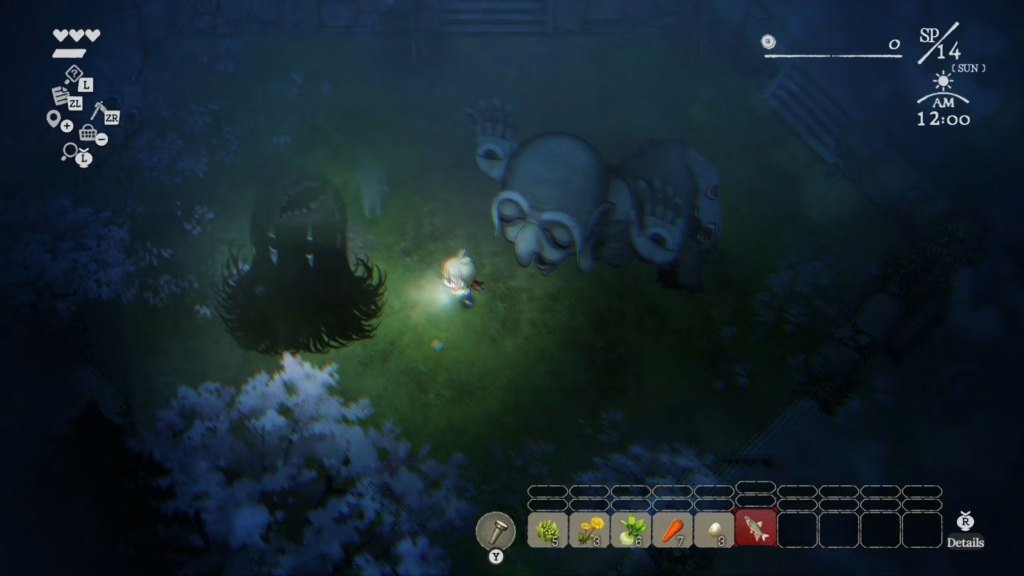
The child will often be woken up during the night, and players can choose to investigate what’s wrong or simply ignore it. Sometimes, however, these encounters are part of the story, and the child will have no choice but to face whatever is happening. Eventually, they will have to sneak outside and dodge Yokai as they chase the child through the town. Players will need to run for their lives.
The stealth sections are pretty intense for what they are. Players run through the town and surrounding areas while dodging all sorts of Yokai. They must be quick on their feet and cannot stop for a second unless they’re sure they aren’t being followed. Big Yokai will appear, and if they catch the child, they are sure to wake up in the hospital.
After heading outside for the first time and either escaping a large Yokai or being captured, a rule change occurs. Rule One now adds that villagers who leave their homes after 11:00 PM will face the wrath of the Yokai.
The village itself is protected by local spirits as well. If villagers pray at a specific small shrine, their wishes will come true. This is reflected in the game’s skill tree, which offers helpful upgrades, although they can be quite expensive. Players will need to find a good way to earn money, as some skills can cost as much as ¥15,000.
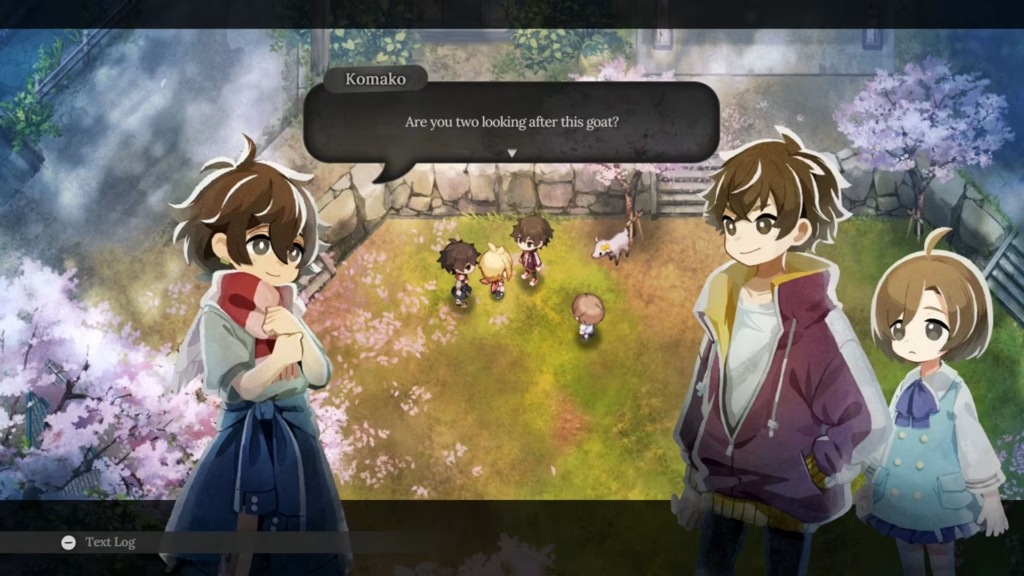
The game itself is beautiful. It makes players want to explore the world around them, with plenty of scenic locations and a small town that feels like a place worth living in. The hand-painted backgrounds give everything the feel of a storybook, and the chibi character models bring it all together. It’s truly lovely to look at.
The character art is stunning, and the characters show quite a bit of emotion. Players will feel attached to them as they get to know them, thanks in part to how expressive they are. The child may not have a character portrait, but they still show a fair amount of emotion throughout the game.
Village in the Shade also has two different game modes. Village in the Shade mode is the main experience and includes all the horror and darkness players are likely looking for. For those who want to avoid the darker elements, Sunshine mode is another option, but it removes a lot of what makes the game work so well.
While the rules still exist in Sunshine mode, the game is far easier. Players can upgrade their skill trees more easily, and without the horror elements, there doesn’t seem to be much reason for the rules in the first place. The characters still act as though they are following them, but the dialogue doesn’t change. If it did, this mode would feel more fully realized.
Understandably, some players might not want a ghost-filled farming sim, but there are plenty of other games that fill that need. Sunshine mode is still a lovely little extra, though. It’s a welcome addition for younger players who want to get their feet wet before trying the darker version, those who simply enjoy the art style, or anyone who has already beaten the Shade story and wants to keep playing. More options are always good at the end of the day.
The game is very well designed. While the characters sometimes act a little off-putting, it’s part of the charm of this tight-knit small town. The dialogue differences between the two modes could be expanded, and even if skills are expensive, that just adds to the playtime, which is a great thing in the end.
The game will also receive paid DLC in Spring 2027, giving players even more land to explore. Players will be able to visit a brand-new map outside of the Kagatsu mountain town. There will be new mechanics and events as well, which should continue to expand the experience and provide even more fun for anyone wanting to return to the game.
Village in the Shade is a wonderfully crafted game. It tells a story that is touching and grounded while still delivering a fantastic horror experience. Although it has many of the things that make a standard farming game fun, its darker side changes it into something wholly its own. Will the player help the amnesiac child become a true villager and discover who they really are?
Disclaimer: A review key was provided


