

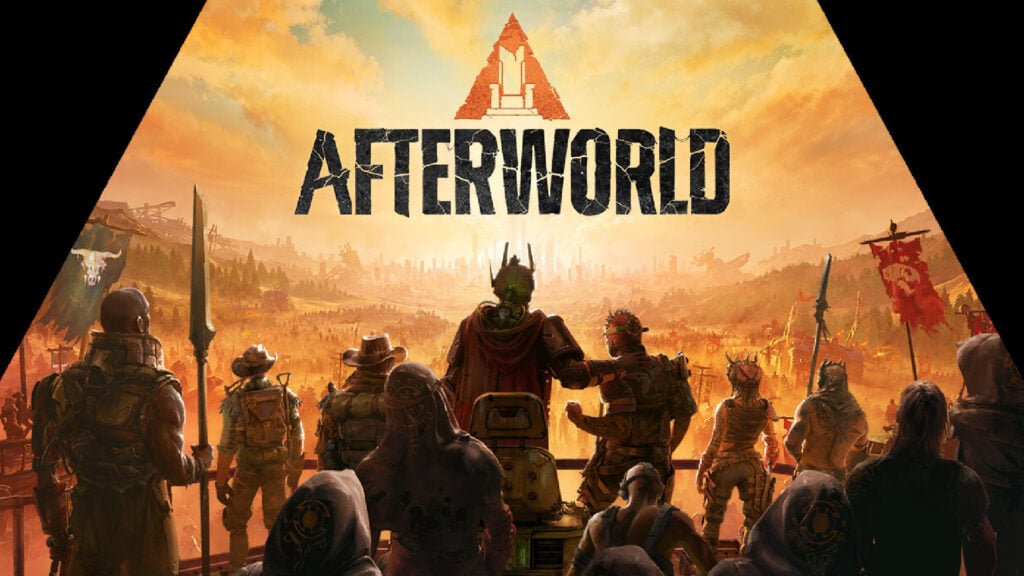
Paradox Interactive has announced Afterworld, a brand-new grand strategy game from Paradox Development Studio, the team behind Crusader Kings III and Hearts of Iron IV. Coming soon to PC, the game takes players into an original post-apocalyptic North America where the remnants of humanity must rebuild civilization while dealing with dangerous terrain, abandoned ruins, scarce resources, rival factions, and the threat of another collapse.
Set in a world destroyed before the game begins, Afterworld puts players in control of a small group of survivors and challenges them to turn a struggling settlement into a continent-spanning empire. The game is designed to begin with a more approachable survival experience before gradually expanding into the deeper strategic systems that Paradox is known for.
“Afterworld is Paradox’s first non-historical setting in a decade, and I can’t wait to see what stories our players will tell with it,” said Dan Lind, Game Director of Afterworld at Paradox Development Studio. “This is the first world we’ve gotten to build from scratch in a long time, and the first one we’ve had the pleasure of destroying before the game starts. The old world is still out there in fragments, waiting to be found. What comes after it is entirely up to the players.”
Players will begin in a procedurally generated version of North America, with familiar geography mixed with constantly changing resources, threats, tribes, and other points of interest. Each playthrough is intended to create a different strategic sandbox, allowing emergent stories to develop based on the decisions players make and the circumstances they encounter.
Survival will initially be the primary concern. Players will need to find food, water, fuel, and shelter while teaching their people the skills necessary to survive in the wasteland. Several different Origins will provide different starting scenarios, including shelterfolk emerging from a failing nuclear bunker and wandering zealots searching for their goddess among the dustlands.
Exploration will also play a major role in determining how each society develops. Afterworld features a dynamic Ideas Tree that unlocks new advancements based on what players discover and experience rather than following a completely predetermined progression. Encountering a river, for example, could lead to the discovery of irrigation, while meeting another tribe could introduce new forms of organized religion.
As settlements grow, players will have to determine what kind of society they want to create. Laws can be established to determine who receives scarce resources, who gets a voice in leadership, and what values define the emerging nation. Crises and discoveries can also force players to reconsider those decisions, creating difficult choices that can have consequences for generations.
The game will also give players considerable freedom when it comes to expansion and movement. Supply lines and convoys can be established to take advantage of newly discovered resources, while an entire settlement can migrate if the surrounding land can no longer support it. A player’s initial settlement may eventually become something very different from the empire’s eventual capital, while rival groups can be traded with, absorbed, raided, or conquered.
The ruins of the old world will provide another major source of opportunity and danger. Players can uncover lost technologies capable of dramatically changing what their civilization can accomplish, but these remnants of the previous age can also carry the potential to bring about another catastrophe.
As competing empires emerge, diplomacy and warfare will become increasingly important. Players can form alliances, negotiate with rival groups, or fight for control of territory and resources as they expand across the continent. Afterworld will also feature both competitive multiplayer and cooperative multiplayer, allowing players to face the challenges of the wasteland together or compete for dominance.
The decisions made along the way are intended to shape more than just the size of an empire. Food shortages can develop into famine, political mistakes can fracture a nation, and choices surrounding religion, technology, resources, and social policy can influence the character of an entire civilization.
Players will also encounter the Ancients, immortal leaders who survived the destruction of the old world through forgotten technology. These figures have their own ideas about how the new world should be governed and will not simply surrender their influence as new empires begin to rise.
Ultimately, Afterworld will give players the opportunity to decide what civilization looks like after the end of the old one. Players can attempt to restore the ways of the past, pursue a different and supposedly more enlightened path, or build an entirely new empire from the ashes.
Paradox Interactive has yet to announce a release date for Afterworld, but the game is currently in development for PC.