

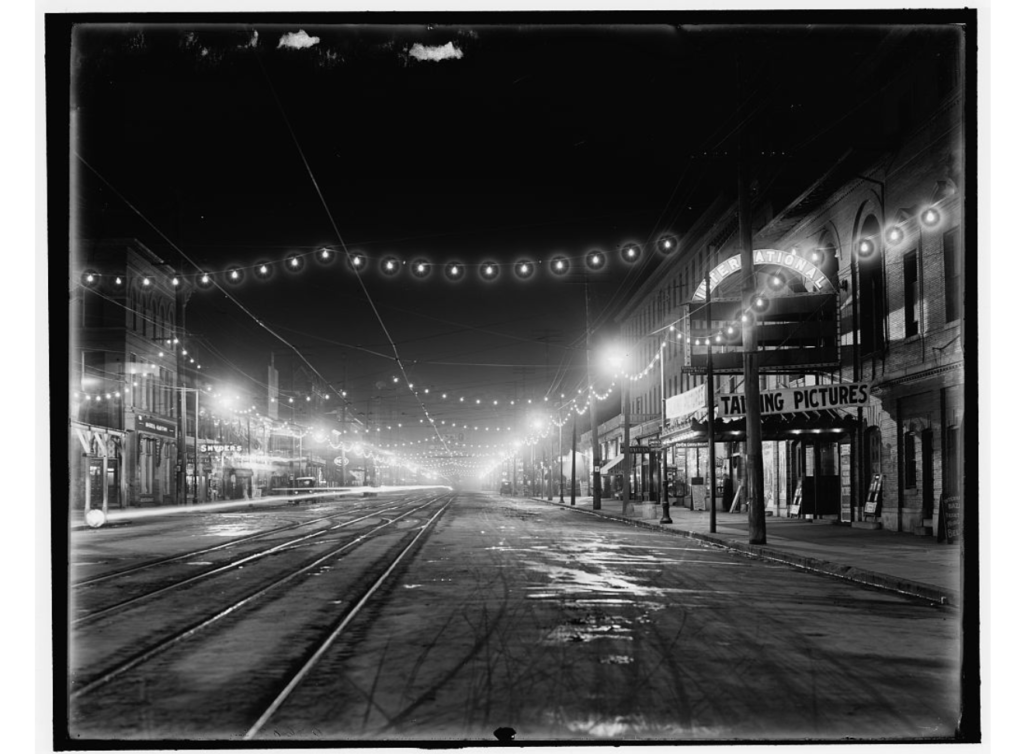
Film noir is one of those terms that seems easy to understand until you try to define it. We know the images: dark streets, rain-slicked pavement, characters hiding secrets, and a world where doing the right thing is rarely as simple as it should be. But is noir a genre, a style, or a period in film history? The answer is not quite as straightforward as it might seem.
The term “film noir” translates from French as “black film,” and it was used by French critics in the 1940s to describe a group of American crime films that stood out for their darker tone and visual style. Films such as The Maltese Falcon, Double Indemnity, and Laura are often associated with the classic noir period, which is generally placed in the 1940s and 1950s. However, the filmmakers were not necessarily setting out to make “film noir” as we understand the term today. It was a label applied by critics after the fact, and its meaning has continued to evolve.
Part of what makes noir so interesting is that it does not always fit neatly into one category. Many classic examples are crime films, but noir is also defined by its mood, themes, and visual presentation. Shadows, stark contrasts between light and darkness, morally complicated characters, and stories shaped by desperation or betrayal are all familiar elements. They are not requirements, though, and not every film that uses them is necessarily noir.
There is also a strong connection between noir and hard-boiled crime fiction. Writers such as Dashiell Hammett, Raymond Chandler, and James M. Cain helped establish the kind of stories that would become closely associated with noir, including tales of private detectives, criminal schemes, and people whose choices lead them into trouble. These stories often focus less on a clear distinction between good and evil and more on the difficult decisions people make when they are caught in situations they cannot easily escape.
Noir has also continued to influence stories well beyond the classic film period. Neo-noir takes many of the ideas and visual conventions associated with classic noir and adapts them for different eras, settings, and genres. The result is that noir can be found in more than just traditional crime dramas. Its influence can be seen in films, television, comics, books, and video games, including works that approach its themes and atmosphere in very different ways.
That is part of what makes Noirvember such an interesting project to take on. Rather than limiting the month to a list of classic black-and-white films, I want to explore noir across different mediums and interpretations. There will be familiar works, more obscure discoveries, and some selections that may not immediately come to mind when thinking about noir. The Shadow and Mouse P.I. are among the works I want to bring into the conversation, alongside films, games, comics, and other stories that explore the darker side of human nature.
The goal is not to establish a strict definition of noir or argue that every selection belongs to the same category. Instead, this is an opportunity to look at what makes these stories compelling, how noir has changed over time, and why its themes continue to resonate. For the next 30 days, I’ll be exploring noir in its many forms, from classic film noir to neo-noir and beyond.