

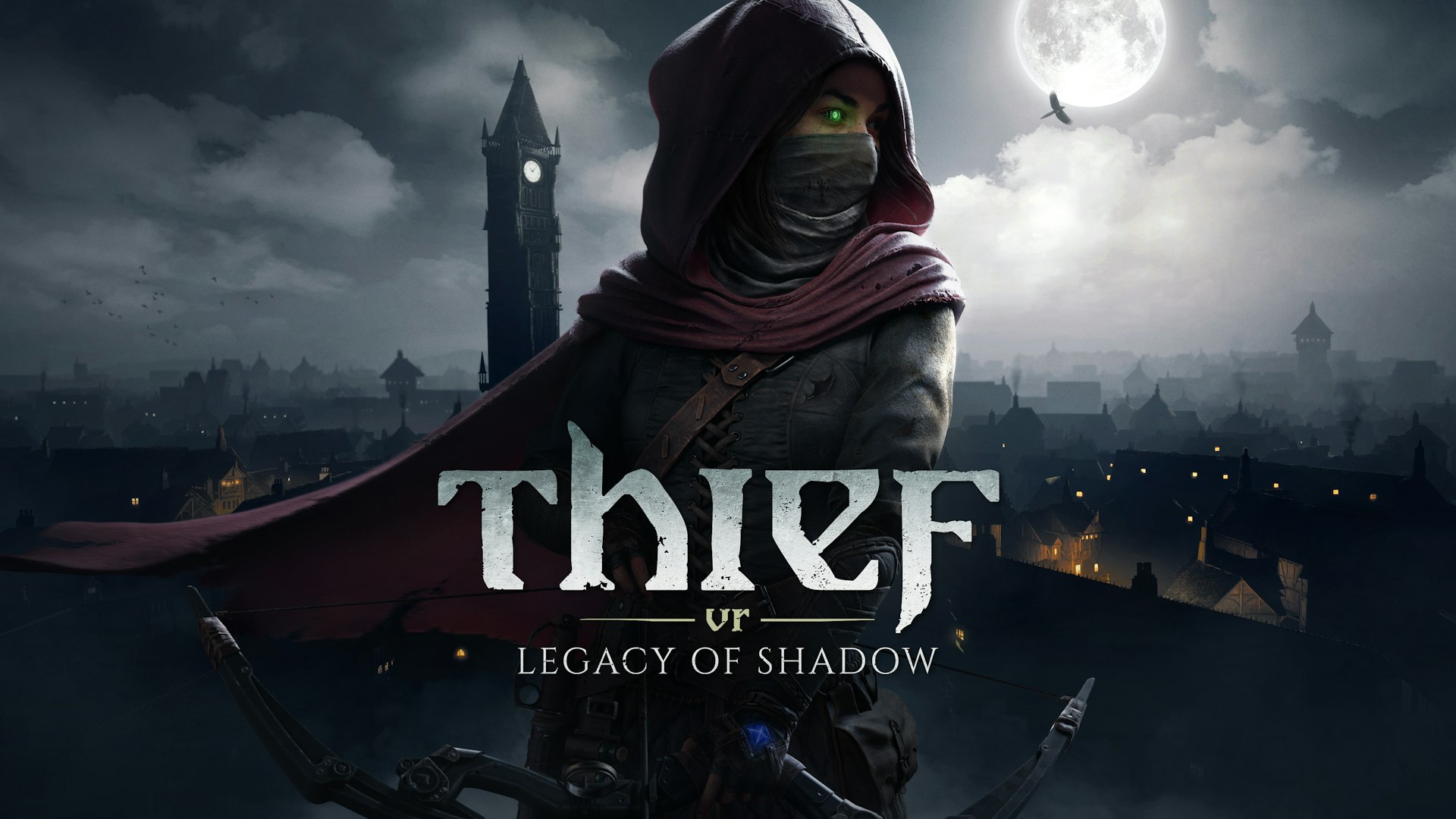
For decades, the Thief franchise has been the gold standard for stealth-action, prioritizing the tension of the “hidden” over the adrenaline of the “combatant.” With the release of Thief VR: Legacy of Shadow on the Meta Quest 2, developer Maze Theory and publisher Vertigo Games have attempted to translate that classic “sneaker” DNA into the most immersive medium possible. This isn’t just a port of an old title; it’s an experience built that is for VR. This is a game that sits chronologically between the beloved Deadly Shadows and the 2014 reboot.
The narrative of Legacy of Shadow takes a bold step by introducing a new protagonist, Magpie. A street-hardened orphan surviving in a City gripped by the iron fist of Baron Ulysses Northcrest, Magpie represents the “new blood” of the thieving world. However, fans of the original trilogy won’t feel left behind; the game quickly introduces a magical locket containing the lingering spirit of the legendary Master Thief himself, Garrett.
The inclusion of Garrett, voiced once again by the iconic Stephen Russell, provides a bridge between generations. Garrett serves as a mentor, whispering advice and cynical observations into your ear as you navigate through the City’s decaying districts. The plot centers on a heist for a Northcrest relic that spirals into a larger conspiracy involving ancient artifacts and the very foundation of the City. While Magpie is a capable lead, the story’s greatest strength lies in its “Immersive Sim” world building. Notes scattered in desks, posters on walls, and eavesdropping on guards provide a rich tapestry of a society on the brink of collapse. It captures that specific, “creepy” Victorian and steampunk atmosphere that made the original games legendary, making you feel like a small player in a very large, very dangerous world.

Running a game with a focus on lighting and shadows on the Quest 2 is a Herculean task, and for the most part, the developers have succeeded. The aesthetic is wonderfully moody, utilizing a dark color palette that hides the lower resolution of the Quest 2’s textures. You’ll find yourself moving through fog-drenched alleys and candle lit manors that feel “lived-in.” The lighting system is the star of the show as well as its greatest point of contention. To make stealth viable, the game uses a binary “shadow” mechanic. If you are in a designated dark zone, you are functionally invisible, regardless of how bright it looks to your actual eyes.
On the Meta Quest 2, performance is generally stable, though you will notice some aggressive “foveated rendering” (where the edges of your vision are lower resolution to save power). The frame rate holds up during slow-paced stealth, but can stutter slightly when multiple guards are alerted and chaos ensues. The trade off for this performance is a lack of dynamic shadows; while you can blow out candles or use water arrows to extinguish torches, the world doesn’t always react with the same level of fidelity as the PCVR or PSVR2 versions. However, considering the hardware, the level of verticality and the sheer size of the mission areas are impressive achievements.

In a stealth game, audio is more than just atmosphere; it’s a gameplay mechanic. Thief VR utilizes spatial audio to help you track guard movements through walls and floors. The sound of heavy boots on cobblestones or the metallic clink of a sword provides vital clues about when to move and when to freeze. The voice acting is rather phenomenal. Hearing Stephen Russell’s gravelly voice return to the role of Garrett is an instant shot of nostalgia that grounds the experience.
The environmental audio is equally detailed. The whistle of the wind through rooftops, the distant tolling of a bell, and the localized chatter of guards (who often have surprisingly long and entertaining conversations) create a sense of place. However, the Quest 2 version does occasionally suffer from “audio clipping” where sounds might cut out if too many triggers happen at once. Additionally, the spatial positioning can sometimes be a bit “flat” compared to high-end headsets, making it occasionally difficult to tell if a guard is directly above you or just around the corner.
For this reason, it would be best to play this game on a higher end headset like the Meta Quest 3 or potentially on a different platform. Despite these minor technical hurdles, the sound design remains the most immersive element of the game, forcing you to play with your ears as much as your eyes.

Thief VR: Legacy of Shadow is a triumphant return for a franchise that has been dormant for far too long. By focusing on native VR interactions like physically leaning around corners, manually picking locks, and drawing a bow with your own hands…it elevates the stealth genre to new heights. While the Quest 2 version clearly makes some graphical sacrifices and the enemy AI can occasionally be “blind” to a fault, the core loop of scouting, infiltrating, and escaping remains incredibly satisfying.
If you’re a fan of the original Thief series, this game is definitely a must play! This game is a solid entry point for newcomers as well as a great game to dive into for those that are veterans of the series.
Disclaimer: A review key was provided

In addition to writing articles, Ryan Byers also creates content for his YouTube channel called "Obscure Games and Consoles", collects video games, and dabbles in video game development.