

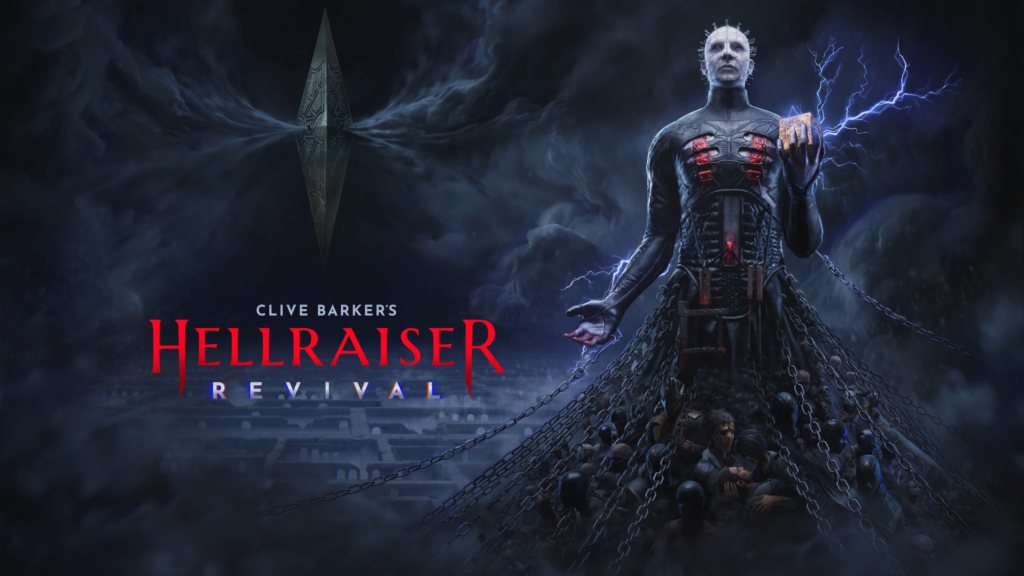
Saber Interactive is celebrating the early performance of Clive Barker’s Hellraiser: Revival, with CEO Matthew Karch pointing to the survival-horror game as an example of why the industry should pay more attention to mid-budget productions.
In a LinkedIn post published October 19, Karch said Hellraiser: Revival has been “performing extremely well on PC and console” following its October 8 launch. While Saber has not disclosed specific sales figures, the executive is using the game’s reception to make a broader argument about the future of game development.
Karch believes established franchises can provide a strong foundation for AA games, allowing developers to deliver immersive experiences without taking on the enormous financial risks associated with some of the industry’s biggest productions. He argued that keeping development costs under control can lead to strong results and positive player reception, while giving publishers a potentially more sustainable path toward growth.
“I believe a greater focus on these middle-market IP-driven products rather than AAA behemoths is the future to maintaining growth and momentum in the game industry,” Karch said.
Hellraiser: Revival launched on PC, PlayStation 5, Xbox Series X|S, and Nintendo Switch 2, bringing Clive Barker’s disturbing horror universe to a new interactive experience. Developed and published by Saber Interactive, the game features an original story set within the Hellraiser universe, with players wielding the supernatural powers of the Genesis Configuration as they battle the forces of Hell. Doug Bradley also returns to voice Pinhead.
The game’s uncompromising approach to the franchise’s graphic violence and mature themes has helped it stand out, although its reception has been mixed. While critics have raised concerns about aspects of the gameplay, the game has received a more favorable response from players on Steam.
For Saber, the reported performance of Hellraiser: Revival offers encouragement for a development strategy that doesn’t depend exclusively on blockbuster budgets. Karch described the game as the first in a series of releases intended to demonstrate the company’s approach, adding that more is coming in the next few weeks.
That doesn’t confirm a sequel or additional content for Hellraiser: Revival, but it does suggest Saber intends to continue pursuing projects that combine recognizable franchises with more controlled development costs. Whether the wider industry follows that approach remains to be seen, but the company believes there is still considerable room for games between smaller independent productions and the biggest AAA releases.