

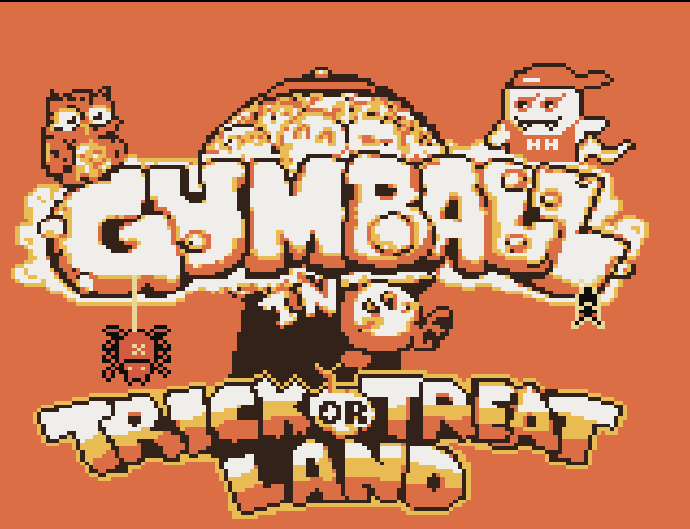
Gumball in Trick-or-Treat Land is a refreshing anomaly in the 2026 gaming landscape—a brand-new JRPG developed by Adam Lewis Graf and published by Mega Cat Studios that feels like it was unearthed from a 1998 time capsule. While its title might make you think of a certain blue cat from Cartoon Network, this is an entirely original indie adventure. It is a heartfelt “love letter” to the Game Boy Color (GBC) era, balancing spooky-season whimsy with surprisingly deep turn-based mechanics.

The narrative is delightfully simple yet effective, echoing the charm of classics like Earthbound. You play as an actual, intrepid Gumball who has unfortunately crash-landed in the mysterious Trick-or-Treat Land. To get back home, you seek the help of a local Scarecrow, whose magic is unfortunately on the fritz. What follows is an 8-hour odyssey through a world filled with quirky NPCs, “Mean Streets,” and a variety of hallowed patches. The writing is lighthearted and often humorous, but it manages to maintain a sense of stakes that keeps you pushing forward to see if our sugary protagonist will ever make it back to the candy jar and ultimately back home.

In terms of mechanics, the game is a traditional top-down JRPG with a focus on exploration and turn-based combat. It doesn’t hold your hand; you start the game quite vulnerable with only 2 HP, making every early game encounter a tense tactical puzzle. The combat system rewards careful planning, as enemies have distinct patterns that require more than just “mashing attack” to overcome. While the overworld puzzles are relatively straightforward, the difficulty curve in the dungeons provides a satisfying challenge for veterans of the genre. It captures that “just one more level” feeling perfectly, though the initial grind can be a bit punishing for those used to modern, easier RPG starts.

Visually, the game is a masterclass in working within the GBC’s hardware constraints. The pixel art is vibrant and “bouncy,” utilizing a rich color palette that makes Trick-or-Treat Land feel alive rather than just a collection of sprites. Whether you are playing the physical cartridge on original hardware or the digital version on Steam, the performance is rock solid with no noticeable slowdown. Even when the screen is filled with spooky projectiles, there is zero slowdown to speak of. The character designs are creative and distinct, ensuring that every new area feels like a visual treat rather than a palette swap.

The sound design is where the Halloween atmosphere really shines. The soundtrack shifts effortlessly between jazzy, upbeat melodies while exploring towns and eerie, whimsical scores during dungeon crawls. The chiptune compositions are catchy and high-quality. The game manages to avoid the “ear-piercing” high notes that sometimes plagued actual 90s titles. This makes the game really feel like a modern title despite being played on early 90’s hardware.

Gumball in Trick-or-Treat Land is a triumph of indie development that proves the Game Boy Color still has plenty of life left in it. It successfully marries the quirkiness of Undertale with the structural bones of a late 90s handheld classic. While the high starting difficulty might deter some, those who stick with it will find a rewarding, atmospheric adventure that is much more than just a nostalgia trip. It’s a polished, spooky gem that belongs in any retro enthusiast’s collection!
Disclaimer: A review key was provided

In addition to writing articles, Ryan Byers also creates content for his YouTube channel called "Obscure Games and Consoles", collects video games, and dabbles in video game development.