

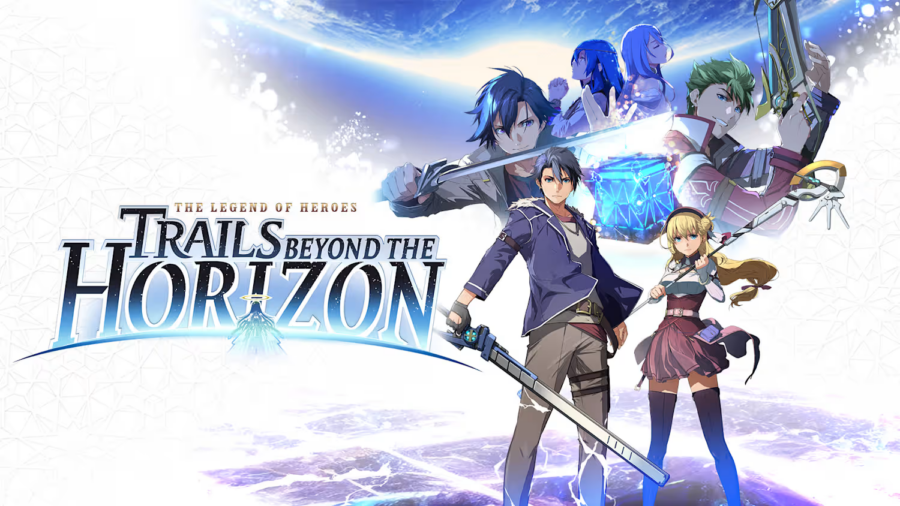
The Trails series is easily the most complex and intensive RPG that has ever been released. Weighing in at well over 1000 hours at this point, it tells a series of long and involved interconnected stories about the Zemurian continent and its 37 regions throughout multiple wars, military actions, and various plots and subterfuges by a number of countries that have varied economies, cultures, and even political systems. All of this is described in detail but it’s not nearly as boring as that might sound since you slowly learn everything organically over the course of each game. Not only do we learn the history of the whole continent but we see the slow rise of more and more complex technology that mirrors our own and ends up being a sort of commentary on the way real society functions. It’s a spectacular achievement and now that massive storyline fees like it is starting to wrap up.

Throughout the series, key figures have recurrent roles and end up at the center of significant events including the Thor’s Military Academy students from the Erebonian Empire, Bracers from Liberl, police from Crossbell, and spriggans from the Calvard Republic among others. These characters show up as both primary and secondary characters throughout the series and for newcomers it can be a bit confusing at this point. The Legend of Heroes: Trails Beyond the Horizon is the 13th main entry in the series (excluding the original games prior to the PS3) and that’s a heck of a place to start. Developer Falcom has put more world-building in these games that anything else including the Ys series, and publisher NIS America has consistently provided excellent localizations for us Westerners.

If you’re just starting the series now, unfortunately this is not the place to start as Beyond the Horizon picks up where both Trails into Reverie and Trails through Daybreak II leave off. Reverie ties up the loose ends from the Erebonian War covered in Trails of Cold Steel I-IV and Daybreak II continues the storyline from Daybreak which focuses on the Calvard Republic and the Geneses devices. If you’re new though, none of that mean anything to you and your best starting points are either The Legend of Heroes: Trails of Cold Steel (review here) or the recent remake, Trails the 1st (review here).

For the rest of us, it’s time to dive into Beyond the Horizon and the core game is focused on the basic structure from The Legend of Heroes: Trails through Daybreak (review here) so it’ll be a familiar game for most Trails fans. What’s really different here is that we’re finally tying events together from previous story arcs so you’ll be playing Van Arkride and his crew, Rean Schwarzer and his Thor’s Academy graduates, and finally taking a lead role for the first time since Trails in the Sky 3rd Chapter, Kevin Graham, a priest/knight of Galsritter, part of the Septian Church. Kevin has been present in a number of games in the series but takes a quiet supporting role most of the time, so it’s exciting to finally have him take his place among the main characters in the Trails series.

To start, Van and crew shop up to do some testing for the Marduk Corporation on a new virtual reality system they’re testing. They’ve also brought in Rean and Kevin and their associates which means that not only are some characters meeting for the first time, but you’re also being reintroduced to the combat from the Daybreak series and learning the new parts of the interface that have been updated from Beyond the Horizon. There are some changes in both Command (turn based combat) and real-time combat this time around that further streamline gameplay, making this the most advanced Trails game to date, but it’s a lot to get the hang of at first, even though this is essentially Daybreak III. Just like the previous Daybreak games, your orbment setup is horizontal with unlockable slots. You are also able to switch from real-time combat to turn-based at the touch of the button and switch back to real-time a limited number of times. Arts and menus are essentially the same as the Daybreak series as well, with some new quartz thrown in. As long as you’re spreading out and upgrading your quartz effectively and filling your driver slots with the right additional arts for the situation. It is still important to pay attention to which quartz you slot to maximize the effectiveness of Weapon, Shield, and Drive quartz and it’s easier than ever to open your first few columns of slots too. Mira is much more plentiful in Beyond the Horizon than other Trails games and it’s easy to max out your weapons, armor, and drivers if you are patient with accessory buying. You tend to find a lot of accessories in the game which saves a fair amount of cash.

In combat, there are some nifty new functions that shift the action system to a more central role. Once charged, main characters can boost their power to multiply field damage by Awakening with the L3 + R3 buttons. You can also slow down time with ZOC by holding R3 down in combat, multiplying your damage further and allowing you to wipe out whole swaths of enemies without even resorting to the stun/fight/escape shard combat combo that breaks combat in the first two Daybreak games. It’s nice to have options and sometimes even though it’s not efficient, it’s fun to just pummel your way through. Just don’t try it on the Shining Poms!

Within shard combat (turn-based), there are some small changes as well. Brave Orders have changed to Shard Commands and they’re quite effective and easy to access with a click of L3 as long as your shard boost gauge is charged. S-Crafts are still present and it’s easier than ever to charge your Craft Points with spells and trigger them, allowing you to absolutely blow through enemies and boss supporters. The boost gauge length varies depending on how many times you trigger S-Crafts, so don’t expect the long 7 slot S-Boost bar right from the start, though they can extend quickly if you spam S-Crafts! Combat feels somehow smoother and more efficient too, even though there are few changes, and you’ll quickly find that maximizing your quartz is exceptionally effective, allowing you to blow through the game by min/maxing your characters, especially with the absolutely massive dump of permanent boost items you get while you play through and fully explore both the combat areas and the Grim Garten.

The Grim Garten is similar to the Märchen Garten from Daybreak II, though reskinned and modified. It’s a strategy-style minimap where you thread your way through options and combat sections in a virtual environment and the Marduk Corporation is trying to sort out how it has been compromised using all three teams (Van’s, Rean’s, and Kevin’s). Parts of the Grim Garten are mandatory but you can return anytime to grind (which is quite effective). You’ll earn a ton of XP, mira, and extra items by going through repeatedly, even though it’s somewhat of a time suck. Each gate takes you to a field combat area where you have to fulfill certain prerequisites to proceed and at the end of the series of gates and spaces there’s a boss. Meeting all the criteria becomes much easier as you get more powerful too, so you can blow through the Garten pretty fast.

Once you’ve found enough Grim Tokens (the currency in this virtual realm) you can exchange them for a variety of items which will massively boost your characters as well. Grim tokens can be found all over the real world too, so you’ll want to search every town once you are able to, even if you don’t want to complete any of the optional Grim Garten replays. On top of that, you can boost the efficacy of craft attacks in the submenus by utilizing the stones from the Grim Garten to enhance them. Stones are one of the more limited resources in the game and while you’ll be able to slowly boost combat crafts, it definitely takes more time than even most of the quartz unlocks and you’ll have to pick and choose who you want to make the most powerful.

As with all Trails games, there is a massive amount of storyline to get through here, sometimes to the point where the plot and 4SPG system (also from Daybreak) massively outweigh the actual combat portions of the game. Expect to spend almost as much time on socialization as a Persona game with Beyond the Horizon and you won’t be surprised. Going to movies, helping find lost cats, buying gifts, and lots of other daily life minutia are part of the experience that makes the Trails world feel so lived in and real, but they do take up a lot of time. Thankfully high speed mode is back and you can zip around at turbo high speed by hitting run and high speed, vastly speeding up your experience if you are strapped for time or impatient like some of us. If you’re truly impatient, you can entirely skip scenes but be aware that you cannot go back and read the transcripts if they’re skipped.

If you’re familiar with the Trails series, it will be no surprise that The Legend of Heroes: Trails Beyond the Horizon is easily the best looking game in the series to date. It uses the same basic engine as the Daybreak games, but there are slight visual changes with blurring, lens flares, and subtle details that look somehow even better. The high level of technological advancement in Calvard probably adds to how cool everything looks, and it’ll be interesting to see how much rapid industrialization affects the design aesthetic in the series as it continues. Comparing to the recently released Trails the 1st, Beyond the Horizon is far more science fiction than fantasy and those aesthetics really make the game an interesting and unique experience. The GUI is masterfully designed but there are so many submenus now that it is still easy to get lost and some of the abbreviations are hard to remember. This means that players could easily overlook a key menu system just by skipping through tutorials and unintentionally end up with much weaker characters than they should have. S-Crafts, always a visual staple, are particularly cool in Beyond the Horizon and you’re definitely going to take the time to stop and watch the attack cinemas more than a few times throughout the game.

The voice work is more than equal to the visuals here as well. Most of the voice actors are recurring cast members and have their characters down pat at this point and the occasional new additions are just as good. Once again, the only real downside is that not everyone is voiced all the time. This is nothing new however and the key parts of some dialogue that are voiced make perfect sense. Music is spectacular, which is a constant with Falcom games in general. However, this time around there are a couple of town exploration tracks that are remarkably irritating and follow you from town to town. They just don’t quite seem to match with the different areas of town on occasion, but to be fair this is a minor quibble in a fantastic soundscape. The same goes for the Holo Core AIs who constantly talk during battle, repeating the same things over and over again until you have to find the submenu to shut off their helpful but irritating suggestions. It’s like having a whole army of Navi fairies from Ocarina of Time yelling in your ear and it’s honestly weird that they’re so loud and repetitive.

Of course this isn’t a perfect game and one of the biggest flaws is that there’s an absolute metric ton of buildup with very little payoff. Yes we are learning more about the Oct-Geneses and it does feel like the larger game-spanning Trails narrative is finally starting to come to a penultimate conclusion, but there’s a lot of reminders of previous plot points, a few steps in this direction or that, and noticeably missing is a firm conclusion. We all knew this wasn’t the end of the Trails saga, but it still feels like a 60-70 hour prelude, especially with the multiple pathways, intermissions, and meetups where even the bad guys socialize in a huge mixer group and exchange pleasantries with the heroes. At some points in the game you may have 15 or more people in the room having various discussions and it can get a little tiring, derailing a more focused narrative that would keep the urgency of events. The last thing you’d expect is a game that takes place over 3 days to take 72 hours of real-time gameplay but here we are.

In addition to skipping around and diluting the narrative a bit more than perhaps was necessary, the Grim Garten feels like a tacked on excuse to add combat without exploring the world. It’s better than the previous incarnation, but it’s still a bit frustrating and feels like wasted time, even though you can easily level and grind items with it. The paths of the three characters also don’t intertwine as much as perhaps they could have, except in the Garten. Except for being able to share items and quartz, it almost feels like you’re playing portions of three different games, all tied together by the Daybreak structure. Speaking of those characters, the sheer volume of people you have to keep up with at this point is so ridiculous there are starting to be memes about it. Flashbacks, surprise appearances, and new characters all litter the landscape of Beyond the Horizon with plenty. That’s not to say that it’s not an amazing accomplishment to create a story this rich and complex but if someone wanted to become a Trails historian, it’s almost feasible at this point.

There are not a lot of huge surprises in The Legend of Heroes: Trails Beyond the Horizon, at least not until the climax of the game, where veteran players know all bets are off. But that’s not to say it’s a bad game in any way. Instead, you have a full length compelling narrative that is starting to pull together events in different states to a larger, final conclusion that will determine the fate of the whole continent. That’s insanely awesome and probably the most frustrating thing is that we’ll have to wait for a while to see how things shake out, especially because Falcom is focused on re-mastering the Trails in the Sky trilogy (which is also awesome). This is a fantastic experience with a heavily refined combat system and GUI at this point and as long as you’re fine with waiting for a payoff, well worth your time. Seeing things start to weave together is amazing, the evolution of Zemuria is fascinating, and Van and his team steal the show (especially Judith), though we definitely need more Kevin in the next game. There’s no way you’re not going to enjoy Beyond the Horizon if you’ve gotten this far in the series and while it isn’t as streamlined as Trails in the Sky 1st Chapter it’s an excellent experience from start to finish. At $80 it’s a AAA price for a AAA experience and you are definitely going to want to play through this one!

This review is based on a digital copy of The Legend of Heroes: Trails Beyond the Horizon provided by the publisher. It was played on a PS5 using a 55” 1080p TV and on the Playstation Portal where the game runs well but occasionally lags a bit depending on your WiFi. The Legend of Herores: Trails Beyond the Horizon is also available on Switch and Switch 2 and PC on Steam.

Nate Van Lindt has been a gamer since the days of yore (aka Commodore 64), and has played a bit of virtually everything out there. He's also an avid comic book collector, both vintage and current, and reads a fair amount of sci-fi and fantasy. On top of that, he watches a fair number of movies and TV shows as well. Oh, and he has a family, a full-time job, and lives somewhere in the urban wilds of Southwestern Ontario, Canada, foraging for old video cables and forgotten game soundtracks.