

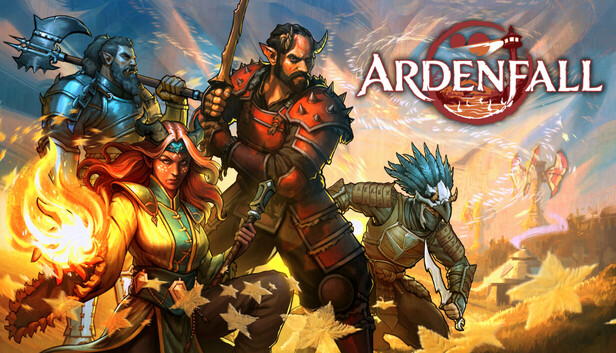
There is a specific feeling that classic Morrowind-style RPGs used to deliver, that sense of being dropped into a strange world with no marker telling you where to go next. A lot of studios have tried to recapture it over the years, and most of them miss the mark. Spellcast Studios, a small team that had reportedly been working on this labour of love since 2017, first started showing off Ardenfall to cautious curiosity rather than an immediate sell. Early Access RPGs from small teams can go either way, and plenty of promising ones have fallen apart before reaching their potential. Ardenfall, thankfully, is not shaping up to be one of those cases.
This being said, it is important to go in with reasonable expectations. Ardenfall is still very much a work in progress, and there are rough patches all over the place that need real attention before the game can live up to what it is clearly capable of becoming. Even with that said, the foundation here is genuinely strong, and there is a sense of discovery and unpredictability running through the whole experience that most modern RPGs simply do not bother with anymore. That goes a long way toward making the rougher patches easier to forgive.

Combat is one of the areas where Ardenfall stands out most. Melee attacks are responsive, and heavier weapons carry a real sense of weight behind every swing. Carrying a big two-hander actually affects how you move, which creates an interesting push and pull between raw power and mobility instead of just making the biggest weapon the obvious pick every time. Dodging feels fluid too, and it keeps positioning relevant instead of letting fights turn into a standing trade of blows.
Magic and ranged combat show similar promise, and might be the strongest part of the whole package. Spells are not simple point and click abilities here, as projectile physics play a real role in how they behave in the world. Fireballs, for instance, actually drop as they travel rather than flying in a perfectly straight line, and collisions between spells and the environment can lead to some genuinely fun moments in a fight. As Spellcast keeps adding enemies and encounters, these systems have real potential to become a signature for the game.
Exploration, though, might be the single best thing Ardenfall has going for it right now. The environments have a real sense of mystery to them, and the dungeons, wildlife and vegetation give players plenty of reason to wander off the beaten path. The armour designs deserve credit here too, genuinely striking and giving characters a distinct visual identity while still staying true to the classic fantasy look the game is going for.

More than anything, Ardenfall understands that exploration works best when players are allowed to get a little lost. The game does not constantly point toward the next objective or spell every detail out, and instead trusts players to actually look around and make their own calls. That is a design philosophy too many studios have abandoned, and it brings back that feeling of stepping into somewhere unfamiliar with no real idea what is waiting around the next corner.
Unfortunately, the visual presentation does not always do that atmosphere justice. The overall look is appealing, but certain environments and enemies can come across as flat or unfinished. Some of the creatures in particular are difficult to read at a glance, since the combination of meshes, textures and colours occasionally makes them look more confusing than intimidating. Lighting is another issue, especially in darker areas, to the point where a dedicated brightness or gamma option feels less like a luxury and more like a necessity at this stage.
Movement and camera controls could also use some more work. The current mix of field of view and camera sensitivity can make longer sessions uncomfortable, particularly for anyone prone to motion sickness, and more robust camera options would go a long way toward fixing that. Terrain collision is another rough spot, as movement can occasionally feel stiff or catch on the environment when the ground gets uneven.
The progression system is a bit of a mixed bag right now too. Watching numbers climb as you train a skill is satisfying on its own, sure, but those improvements do not always translate into a noticeable difference in how your character actually performs. Spellcast is going to need to tighten up the relationship between stats on paper and how effective a skill actually feels in practice, because right now progression risks feeling more like watching numbers go up than genuinely building a character.

The world itself could also use more scale and life. Settlements are pretty sparse at the moment, with some villages amounting to little more than a handful of buildings and a few NPCs standing around. More distinctive character designs, additional races and just more activity in general would help these places feel like real communities rather than functional set dressing. The atmosphere is already there, but the world needs more people in it to really sell the idea that these places existed before you showed up and will keep going after you leave.
There is also a lot of room for Ardenfall to grow its sandbox side. Deeper character customization would give players more ownership over their playthrough, and dungeon puzzles could add a welcome new layer to exploration. Spell crafting in particular feels like a natural fit given how physical the existing magic system already is, potentially letting players build their own combinations rather than sticking purely to a preset list. Crafting systems like cooking or brewing would go a long way too, reinforcing the idea that this is a living world rather than just a series of fights strung together.
The story is admittedly thin right now, though that is hardly surprising this early into development. There is enough here to establish the setting and give players a reason to keep exploring, but the narrative and its characters are going to need real depth as things move forward. Fortunately, the mechanical and world building foundation Spellcast has already put in place gives that story plenty to build on.

Taken as a whole, Ardenfall is one of the more exciting Early Access RPGs on the market right now. It is rough in places, and there is no shortage of systems that still need polish, but the important pieces are already there. Combat feels good, exploration feels rewarding, and the freedom given to the player captures a sense of discovery that a lot of modern RPGs have quietly stopped bothering with.
Most importantly, Ardenfall does not feel like just another action RPG cut from the same template everyone else is using. There is a real appreciation here for the slower, more immersive design philosophy of classic role playing games, paired with enough new ideas to help it stand on its own. With more time in the oven, tighter progression, livelier settlements and more room for players to express themselves, Ardenfall could grow into something genuinely special. For now, it remains an unfinished but very promising adventure, and it is proof that the classic RPG formula still has plenty of life left in it.